
Smart lighting sounds simple until you own it. Most people buy a few colour bulbs, discover that the wall switch now has to stay on permanently or nothing responds, and quietly go back to using their hands. That is not a failure of the technology. It is a planning problem, and it is the reason we draw a concept before anyone buys hardware.
Switches or bulbs, and why it matters
This is the decision that shapes everything else. A smart bulb puts the intelligence in the light itself, which is cheap to start and fine for a lamp in the corner. The catch is the wall switch: cut the power at the wall and the bulb is just a bulb, so every person in the house has to learn not to touch it.
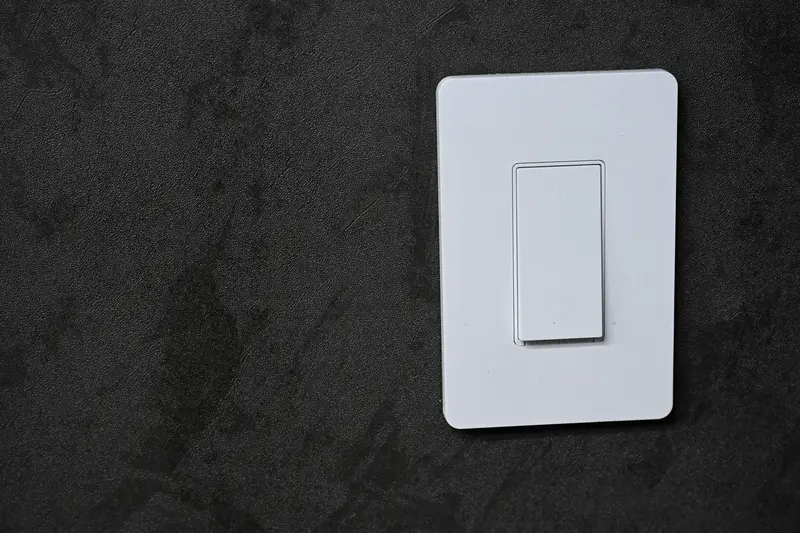
A smart switch puts the intelligence in the wall instead. The switch still works exactly like a switch for anyone who walks in and reaches for it, and it also answers to Alexa. Guests, kids, and anyone who is not interested in your smart home can use the room normally. For any ceiling fixture that people actually switch on and off, we suggest considering switches almost every time.
Bulbs still earn their place. Lamps, accent fixtures, anything you want in a colour, and anything on a plug are all good candidates. A real plan usually ends up mixed, and the mix is the point.
Rooms worth doing first
If you are starting somewhere rather than everywhere, the rooms that pay off fastest are the ones you pass through with your hands full. Kitchen, main living area, the hallway between the bedrooms, and outside. Those four cover most of the daily friction in a typical home.
Bedrooms come next, mostly because turning the house off from bed is the feature people end up using every single night. Bathrooms and closets are pleasant but rarely the reason anyone calls us.
Grouping and dimming
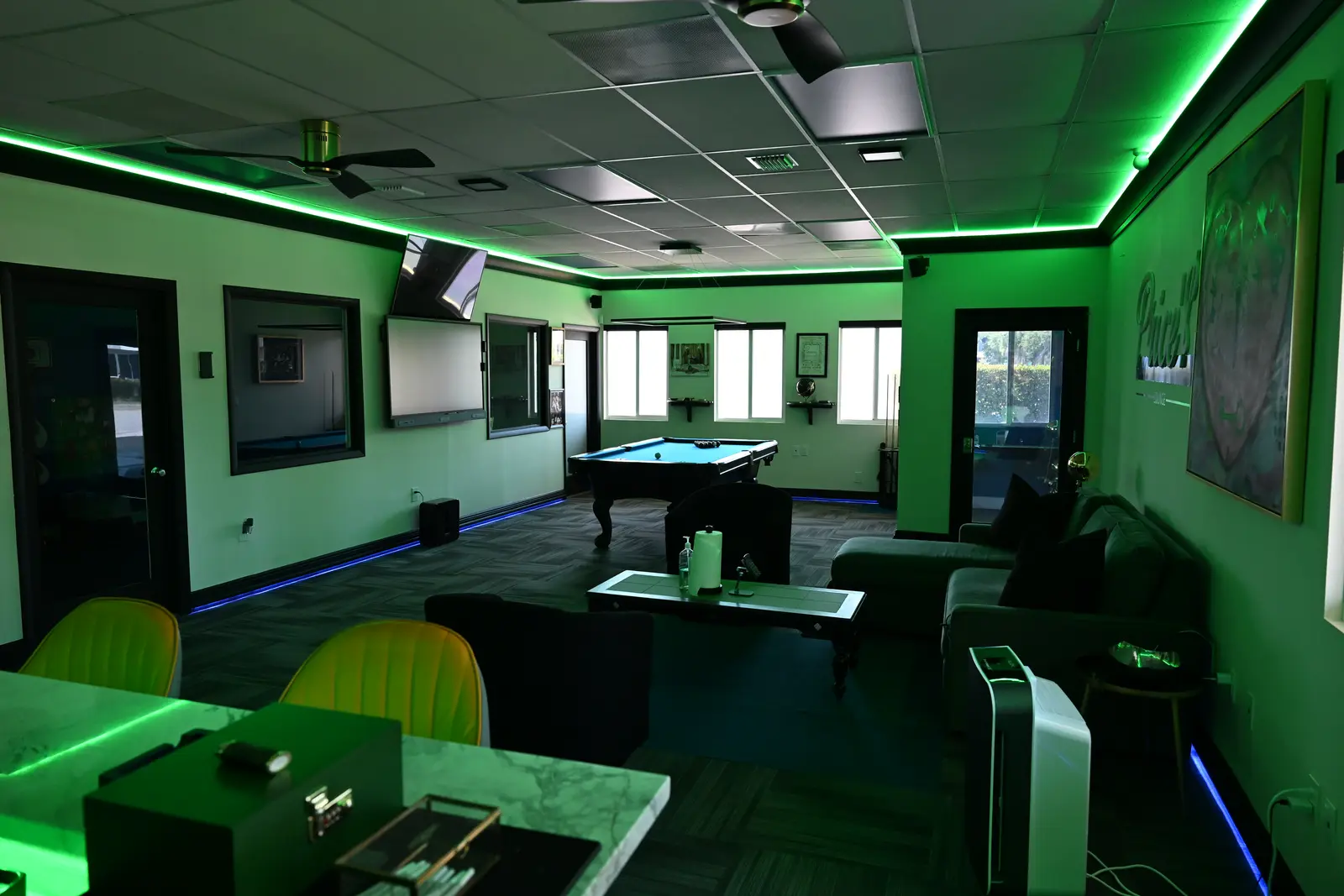
A light you have to name individually is a light you will stop using by voice. The work that makes lighting feel effortless is grouping: the four cans over the island, the two lamps and the floor light in the living room, the whole back patio, each answering to one plain name that the family agreed on.
Dimming is the other half. Warm and low in the evening, bright and cool in the morning, and the same fixture doing both without anyone thinking about it. Not every fixture dims well, and LED retrofits in older Broward homes are particularly fussy about which dimmer they are paired with. The concept notes candidate dimmer and bulb combinations to discuss, and the licensed contractor you hire confirms the final pairing.
What the install actually involves
Switch work is electrical work. Any regulated work requires a separate contractor that you select and hire directly. Older homes here sometimes lack a neutral wire in the switch box, which can narrow the switch choice. Whether that applies to your home is a determination for the licensed contractor you hire, not something the concept decides.
Once the hardware is in, the setup work begins: rooms built in the Alexa app, names everyone can remember, dimming levels set, and routines wired to the moments that matter. We do not leave you with an app full of unnamed devices.
What it costs
We do not publish lighting prices, and there is a reason for it. A four room switch job in a newer Parkland house and a whole floor of dimmable accent work in an older Delray home are not the same project, and any number posted on a page would be wrong for one of you.
Instead you receive your price in writing before you decide, confirmed in your written order. We map the rooms and specify the switches and bulbs by fixture. Like the plan and you move forward. Do not like it and you keep the plan and owe nothing.
Common questions
Do smart lights still work if the internet goes down?
The switch on the wall keeps working, because it is still a switch. Voice control and app control need the network, so those pause until it comes back. This is a large part of why we recommend considering switches over bulbs for ceiling fixtures.
Can I keep my existing light fixtures?
Usually yes. Smart switches control the fixture you already have, so the ceiling lights, the pendants, and the outdoor lights all stay where they are. Bulb swaps are only needed where you want colour or where a fixture cannot take a switch.
Will the dimmer work with my LED bulbs?
Some pairings hum or flicker at low levels, and older homes here throw up that combination more often. The concept can list candidate dimmer and bulb combinations to consider. The licensed contractor you hire confirms the final pairing and the exact model before any regulated work.
Do I have to do the whole house at once?
No. Plenty of our lighting projects start with one or two rooms and grow later. The concept covers the whole home either way, so what you add next year still fits what is already in place.
We plan and install smart lighting across South Florida, including Coral Springs, Boca Raton, Parkland, Pompano Beach, Coconut Creek, and Deerfield Beach.
Room by room detail on where lighting pays off first is in our room by room smart lighting guide. Lighting is also the most common first step in what is actually worth automating first.
See it planned for your home first
Book a free virtual consultation and we prepare your room-by-room smart-home concept, with Infinity's written price for its own products and technology services before you decide.
Get My Free Concept