
If you have shopped for a smart bulb or plug lately, you have seen the little Matter logo, three arrows meeting in the middle, printed on the box. Matter is the biggest change to hit the smart home in a decade, and it quietly solves the problem that scared most people away from the whole category: the fear of buying a device that will not work with your system. Here is what Matter is, how it works, and what it should change about the way you buy, in plain English.
The problem Matter was built to solve
For most of the smart home's history, every brand spoke its own private language. A bulb might work with one platform but not another. A plug needed its own app, its own account, and its own bridge box blinking in a closet. Buying a device meant reading compatibility fine print like a lawyer, and betting that the brand you picked would still be supported in five years.
The companies making the platforms, Amazon, Google, Apple, and Samsung among them, eventually recognized that this mess was hurting everyone. Confused shoppers buy fewer devices. So the rivals did something rare: they sat down together and agreed on one shared standard.
So what exactly is Matter?
Matter is a common language for smart home devices, published by the Connectivity Standards Alliance and backed by essentially the entire industry. A device that passes certification gets to wear the Matter logo, and that logo is a promise: this device will work with any major smart home platform, no fine print, no compatibility chart.
Whichever standard a device speaks, what matters day to day is that it answers when you talk to the room, which is the job of whole home voice control.
The comparison we like best is Wi-Fi. You have never wondered whether a laptop will work with your router, because Wi-Fi is a standard everyone builds to. Matter aims to make "will this bulb work with my system?" exactly that kind of non-question.
Matter launched at the end of 2022, and the standard has grown up fast since then. New versions arrive roughly twice a year, each one adding device categories and smoothing rough edges, and the major platforms fold that support into the speakers and apps you already own through regular software updates. In other words, the standard improves underneath you, without you doing anything.
Three things about Matter are worth understanding:
- It is a language, not a product. You cannot buy "a Matter." You buy bulbs, plugs, locks, and thermostats that speak it.
- It works over your existing network. Matter devices connect over Wi-Fi, Ethernet, or a low-power radio network called Thread. No proprietary bridge boxes required.
- It runs locally. Matter devices talk to your system inside your house. Routines keep working even when the internet hiccups, and responses are fast because commands never leave the building.
And what is Thread?
Thread comes up in the same breath as Matter, and the two are easy to confuse. Matter is the language; Thread is one of the roads it travels on. Thread is a low-power wireless network built for small devices like sensors, bulbs, and plugs. Instead of crowding your Wi-Fi, Thread devices form their own little mesh, each one relaying messages to the next, so the network gets stronger as you add devices, not weaker.
A Thread network needs a doorway into the rest of your system, called a Thread border router. You likely own one already: newer Echo devices include it, which is one more reason an Alexa home handles Matter gracefully.
What Matter covers today, and what it does not
Matter's device list started with the essentials and grows with each yearly release. Today it solidly covers the categories most homes actually install:
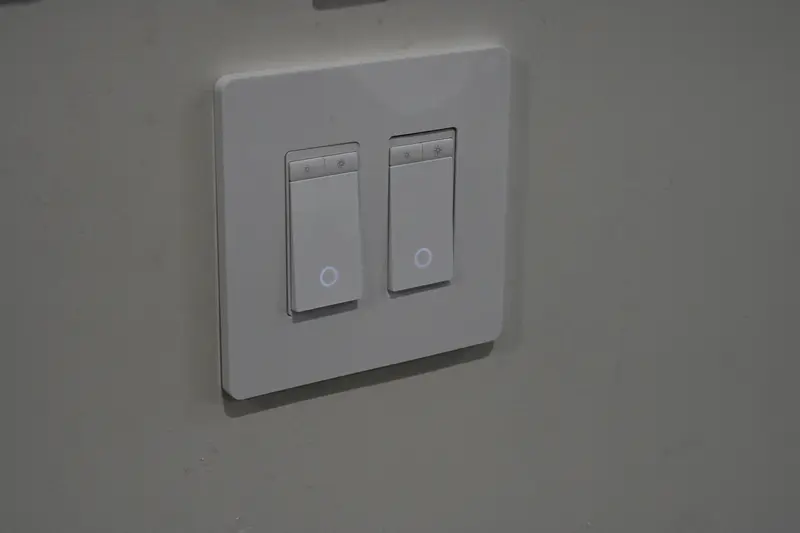
- Light bulbs, switches, and dimmers
- Smart plugs and outlets
- Thermostats and AC control
- Door locks
- Window shades and blinds
- Contact, motion, and temperature sensors
- Appliances like robot vacuums, plus TVs and streaming devices
Newer categories, cameras among them, are still maturing under the standard, and individual platforms adopt each new device type on their own schedule. That is why the practical advice is not "only buy Matter" but "prefer Matter." For the core of a home, lighting, climate, plugs, locks, and shades, the standard is ready today.
What Matter means when you shop
Here is how Matter should change your buying habits, in order of importance:
- The logo replaces the compatibility chart. See the Matter mark and you know it will join your system. Between two similar devices, take the certified one.
- Your devices stop being hostages. Before Matter, switching platforms meant repurchasing half your house. Matter-certified devices move with you, which keeps every brand honest.
- Setup gets shorter. Matter devices join with a QR code scan, in the app you already use, usually in under a minute. No new account, no new app.
- Avoid devices that only live in their own app. A gadget with no Matter support and no platform certification is volunteering to be a drawer gadget. Our 2026 trends guide makes the same point from the industry side.
Does Matter replace Alexa, or a hub?
No, and this is the most common confusion. Matter standardizes how devices connect. Something still has to be the brain: the thing you talk to, the app you open, the place your routines live. That is your ecosystem, and Matter makes choosing one less risky, not less necessary.
In an Alexa home, Echo speakers are that brain, and newer models bundle the Thread border router, so Matter devices join in seconds and run locally. If you are deciding what should sit at the center of your system, our guide to the best smart home hubs compares the options, and our ecosystem explainer covers how all the pieces fit together.
What is Matter: quick questions
Do my existing smart home devices become obsolete?
No. Devices that already work with your system keep working exactly as they do now. Some brands have even added Matter to existing products through software updates. Matter mostly changes what you buy next, not what you own.
Is Matter worth waiting for before starting a smart home?
There is nothing to wait for; it is already here. Every major platform supports Matter today, and the core device categories are well covered. Start now, prefer the logo when you buy, and your system stays current on its own.
What is the difference between Matter and Thread?
Matter is the shared language devices use to work with any platform. Thread is a low-power wireless network many small Matter devices use to communicate. A device can use Matter over regular Wi-Fi without Thread at all; Thread just makes small battery-powered devices faster and more reliable.
We keep up with the standards so you do not have to
Matter makes smart homes friendlier to build, but someone still has to pick the right devices, place them well, and make them work as one system. That is what we do. Infinity Smart Living designs and installs complete Amazon Alexa smart homes, Matter-ready throughout, for homeowners across South Florida, including Pembroke Pines and Plantation. Book a free consultation and get your free room-by-room smart-home concept before you spend a dollar on hardware.
Related guides
- The Best Smart Home Hubs in 2026 (And How to Pick One)
- What Is a Smart Home Ecosystem?
- Smart Home Technology in 2026: The Trends That Actually Matter
Get a free room-by-room smart-home concept
Tell us your goals and receive an illustrative technology concept with candidate products and Alexa routine ideas. No purchase is required, and the concept is yours to keep.
Request my free smart-home concept Call (754) 345-4871Prefer to start on your own? Get the free Alexa Room and Routine Starter Guide.